This World Cup is the greatest ever for African teams: 9 have reached the knock-out stage, with only Tunisia exiting after the first round.
In previous tournaments, one team made headlines with magical runs: Cameroon, led by Roger Milla, stunning Argentina and reaching the quarter-finals before losing to England in 1990. Senegal reaching the quarters after beating France in South Korea to open the World Cup in 2002.
Ghana in 2010 reached the quarters, where Asamoah Gyan’s penalty shot hit the crossbar, and Uruguay went through on penalty kicks. In 2022, Morocco beat Spain and Portugal before losing the semi-final to France.
This time, the whole continent is dominating the story.
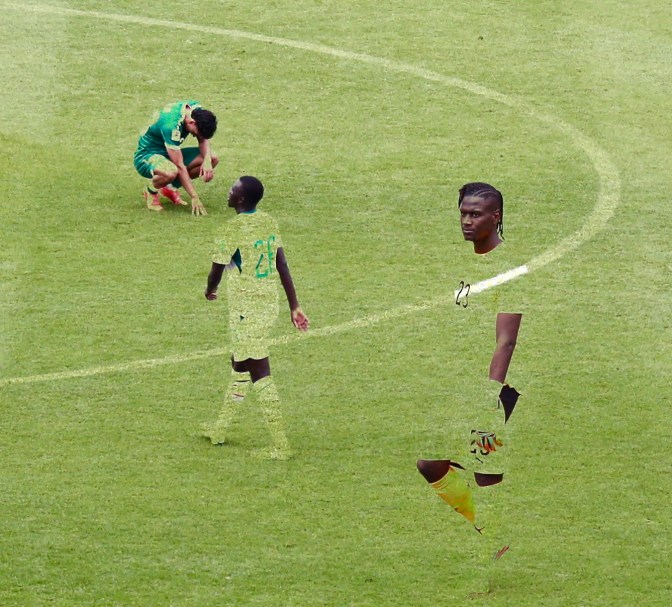
Tiny Cabo Verde qualified by drawing with Spain, Uruguay and Saudi Arabia to set up a date with mighty Argentina.
Democratic Republic of Congo tied Portugal 1-1 and beat Uzbekistan 3-1 to set up a knock-out match with England.
Ghana beat Panama 1-0 and held England to a scoreless draw.
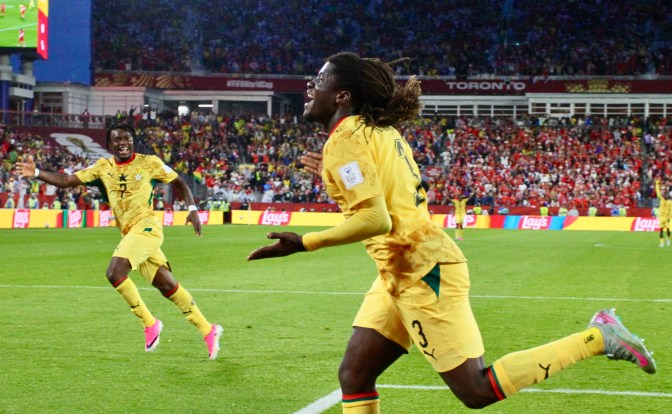
Ivory Coast beat Ecuador and Curacao and led early against Germany on their way to an appointment with Norway.
South Africa stunned South Korea. Senegal, Morocco, Algeria and Egypt also advanced.
It’s not only because the World Cup expanded to 48 teams. Players with African roots are leading France, England, Holland, USA, Canada and other teams.
Some historians trace this generations’ success to FIFA staging the 2010 World Cup in South Africa, the biggest tournament ever on African soil. The children of 2010 are now in their 20s and 30s at the World Cup.
They are not there only to participate. They are not intimidated by Europeans or South Americans because they compete (and beat) them every week in the top European leagues. Africans expect to win. They have some of the most passionate fans in the world.

Teams are athletic, disciplined and well-organized. They defend collectively, press intelligently, adapt tactically against opponents, and dominate in the air and the penalty area.
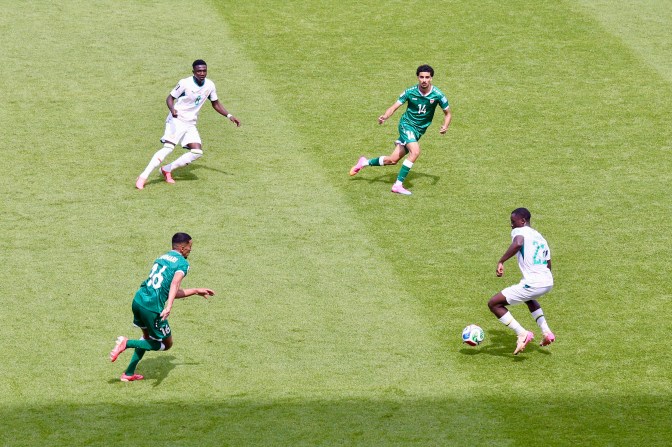
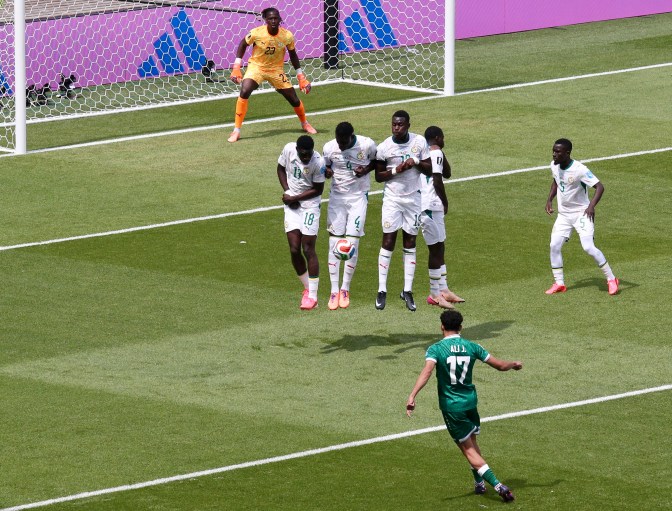


Their soccer federations are increasingly more professional and better funded in terms of investment, coaching, education, medical support, youth academies and talent identification. Instead of waiting for players to choose their ancestral homeland, many federations such as Morocco deploy scouting networks to actively persuade talented youth to play for them. Indeed, Morocco won the FIFA Under-20 World Cup in Chile.
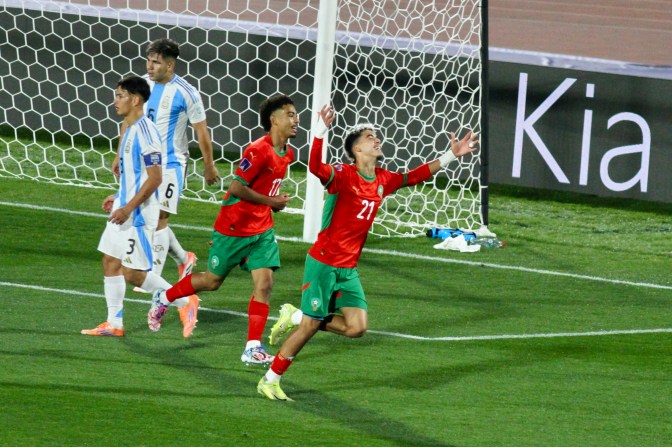
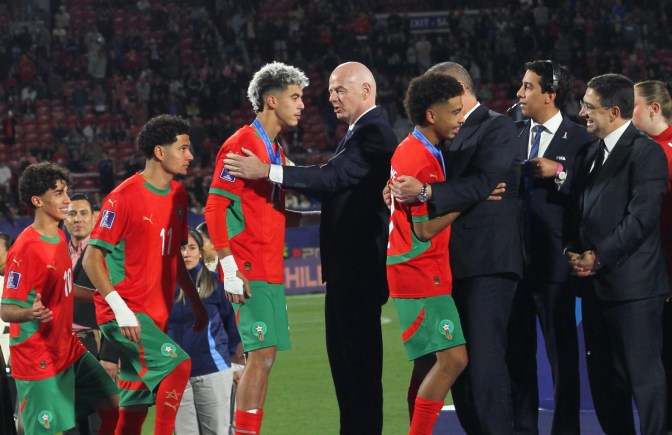
FIFA’s eligibility rules have allowed players who represented European nations at youth level to switch allegiance to African countries if they had only played three games or less under the age of 21, and none at a World Cup or continental cup. This meant that youth could train alongside the top European talent, and then play in the World Cup for African teams.

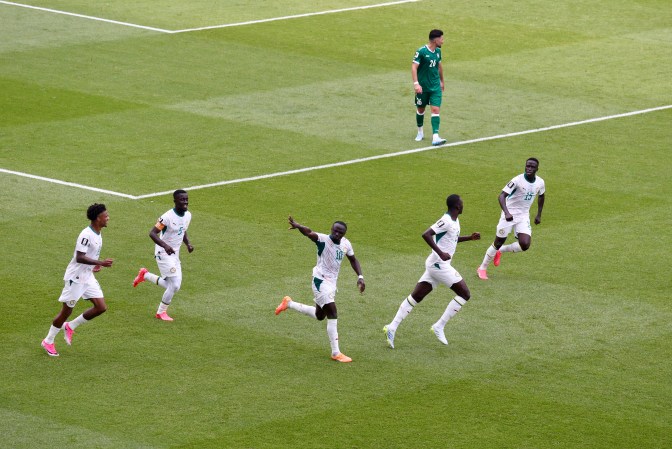
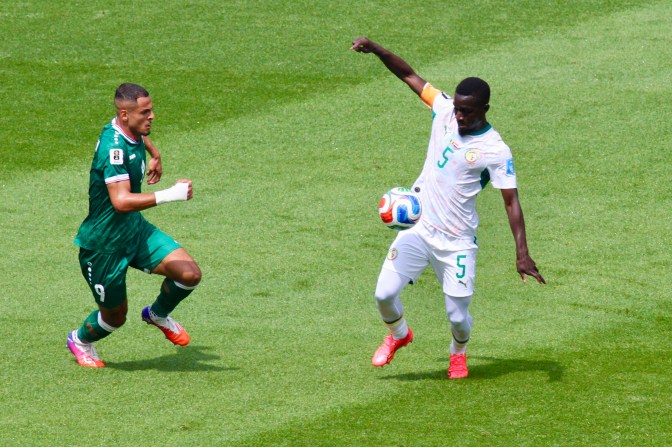
Senegal’s 5-0 victory over Iraq in Toronto showed how far Africans have progressed ahead of teams from the Middle East and Asia, which hosted World Cups in 2002 (Japan and South Korea) and 2022 (Qatar).
Abdoulaye Seck opened the scoring, and then Senegal capitalized on a red card to Rebin Sulaka, scoring four goals in the second half by Ismaila Sarr, Pape Gueye (twice) and Iliman Ndiaye. Senegal controlled possession, exploited space and punished mistakes with ruthless efficiency—qualities that have become hallmarks of African teams.

Senegal’s success is also the product of one of African football’s most fruitful development partnerships. FC Metz has worked closely with Dakar-based Génération Foot for more than two decades, creating a direct pathway from Senegalese academies into European football for internationals including Sadio Mané, Ismaïla Sarr, Pape Matar Sarr, Lamine Camara and Habib Diallo. Mané’s journey—from Génération Foot to Metz, then Salzburg, Southampton, Liverpool and Bayern Munich—has become a blueprint for aspiring young footballers across the continent.

Among other examples:
Kalidou Koulibaly, born and raised in France, developed through FC Metz’s academy before choosing Senegal.
Idrissa Gana Gueye, born in Dakar, came through Diambars Academy before joining Lille in France.
Iliman Ndiaye was born in France and raised in Senegal and England, where he trained in the youth systems of Southampton and Sheffield United.
Nicolas Jackson, raised in Senegal and the Gambia, joined Villarreal’s academy in Spain as a teenager before representing Senegal.
These players are going to inspire new generations of African talent, building upon the historic runs of Cameroon, Senegal, Ghana, Morocco and others.

Somewhere in Agadir, Dakar, Accra, Kinshasa or Johannesburg, children are watching these performances and dreaming even bigger. The next African team to make history may not simply reach the World Cup quarters or semis. They might lift the trophy.
words and images copyright Christopher Johnson Globalite Media all rights reserved


You must be logged in to post a comment.