Around Union Station in Portland at 5:30 in the morning, people were talking about soccer.
These weren’t Latinos or people with British accents. They didn’t know about Pele, Platini or Maradona. They didn’t know who won World Cup 1994 in the United States, when Brazil beat Italy. These weren’t even ordinary Americans who might watch baseball on TV, or enjoy a hot dog at a game. These were street people who had fallen through the cracks of the most powerful country on earth, and even they were talking about “The FIFA”, their term for the World Cup.
They debated about the fairness of “you know who” (their elected president) allegedly asking FIFA to re-instate an American player after a red card. They knew Folarin only by his surname Balogun.
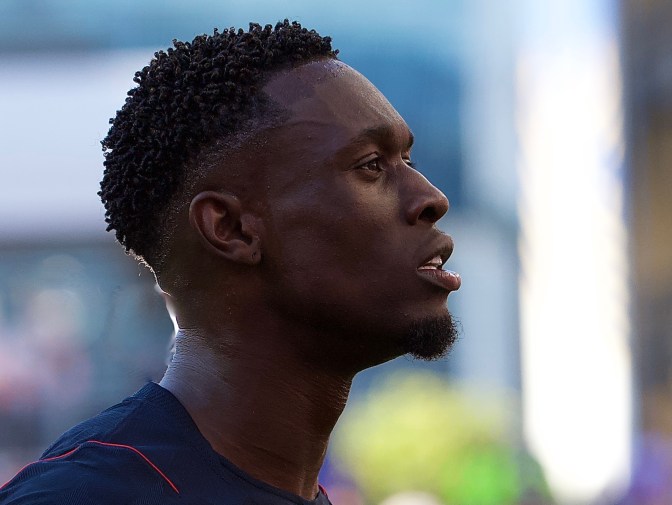

One person said he deserved a yellow, not a red. Another asked about the difference between a yellow and a red. Another said it wasn’t fair to give the other team a “power play” for the whole game. Another said the whole thing was rigged anyway.
Like almost every sports fan in America, they wished they had tickets to the game three hours north in Seattle — the Round of 16 game against Belgium, the biggest match ever in the country’s recent soccer history.
While President Trump has described each World Cup game as “like a Super Bowl”, it’s better to compare World Cup 2026 to the frenzy around March Madness, the college basketball tournament in the United States, where office workers fill out “brackets” to predict winners of each game, and the tournament takes over the calendar from other sports.
Passing through airports on my way from Toronto to Portland, I saw Americans of every race watching England versus Mexico in “The Azteca” on their phones and around airport bars with TVs tuned to nothing else.
It doesn’t matter that USA lost 4-1 to Belgium, a European power who has now beaten USA seven times in a row since 1930. It feels like soccer is America’s game now. The World Cup has sold out the biggest and most expensive stadiums in the country, and addicted thousands of Americans to a game that has become a religion in nations such as Argentina.
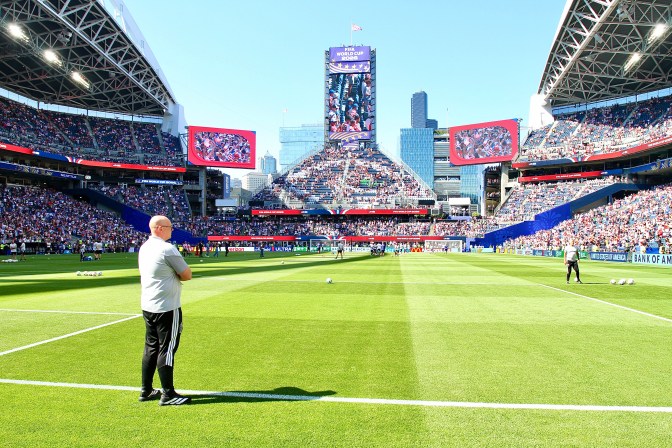
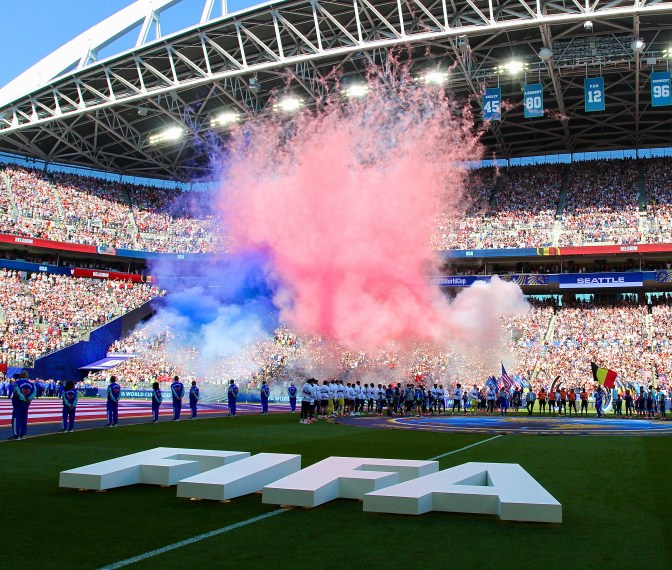

More than 67,000 fans jammed into Seattle’s Lumen Field, home to the NFL’s Seattle Seahawks, an iconic stadium known for its “12th Man” volume amplified by its architecture, Pacific winds, moist air, and the overall exuberance of people in Seattle, which gave the world some of its loudest bands (Alice in Chains, Soundgarden, Nirvana and Pearl Jam).


Of course Pearl Jam’s beloved lead signer Eddie Vedder was there on the big screen, in a private box, guzzling a Belgian Stella Artois beer and putting the can on his head, while leading a singalong of his song “Alive” from Pearl Jam’s first album “Ten”.
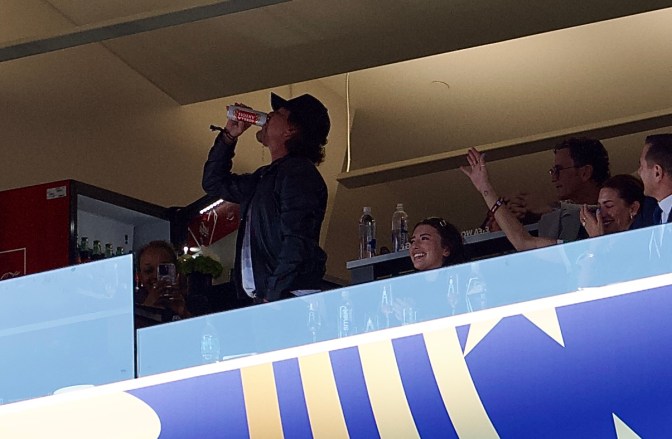
The crowd loved it, the video went viral, and the game felt like one of the most historic shows ever in a city famous for being the home of one James Marshall “Jimi” Hendrix.
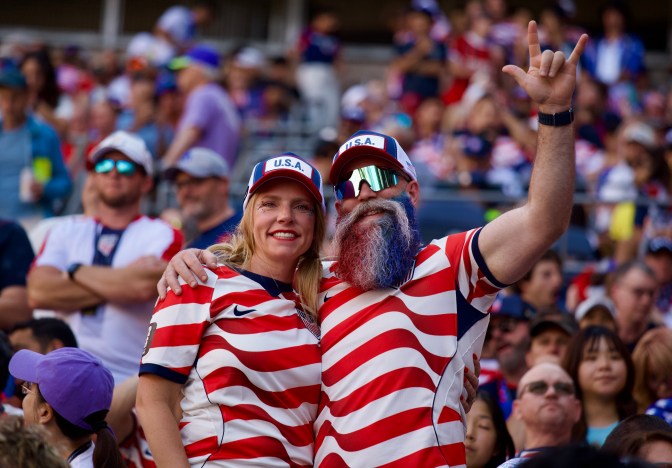
Organizers chose Seattle to host USA games for a reason. Seattle-based journalists call Seattle “America’s Soccer City”. They say the Seattle Sounders sometimes draw 30,000 fans for an MLS game, far more than in Detroit or other cities. For a World Cup game after America’s 250th birthday, the fans were going all out.
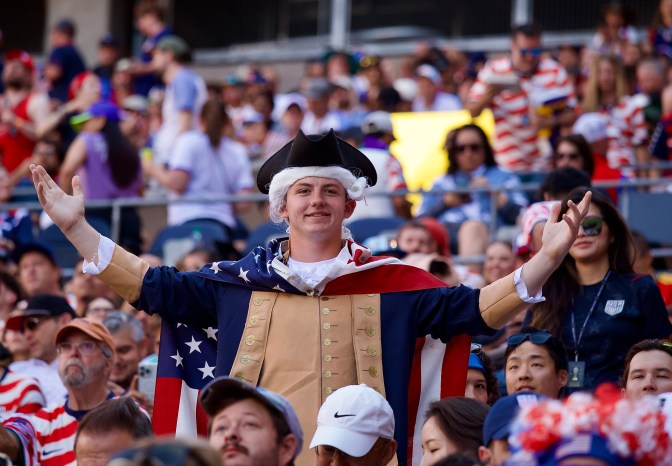

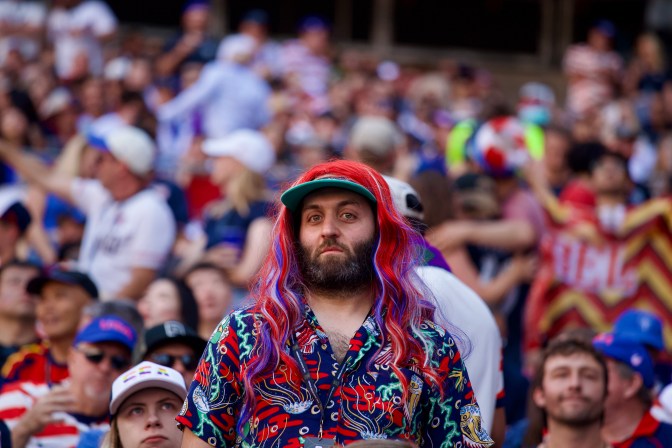
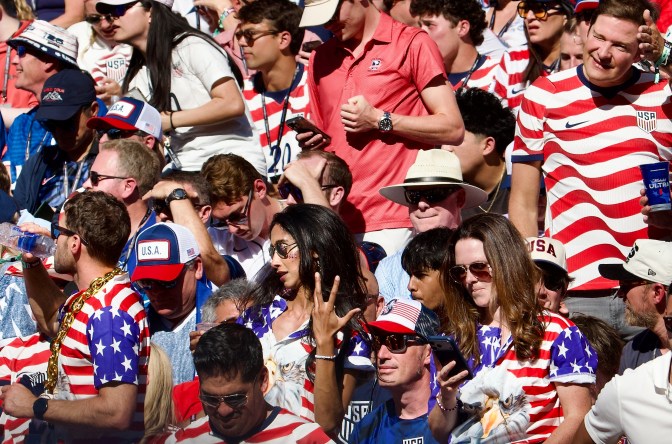
The crowd was ready to drown the opponents in sound. They began with a slow clap and intimidating chant of “U …… S …… A”. But Belgium, which hasn’t lost in 18 games, tried to take the crowd out of the equation by maintaining possession of the ball early until Charles De Ketelaere scored the opening goal 8 minutes into the game.
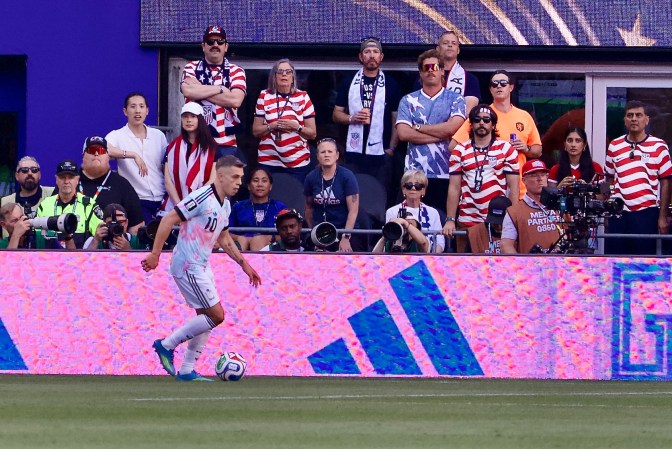

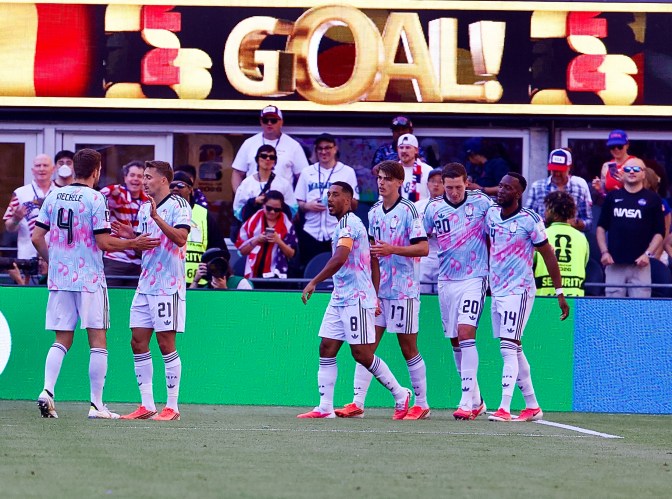
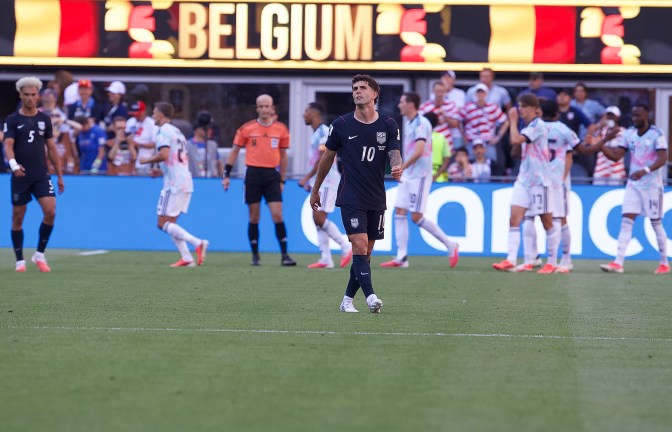
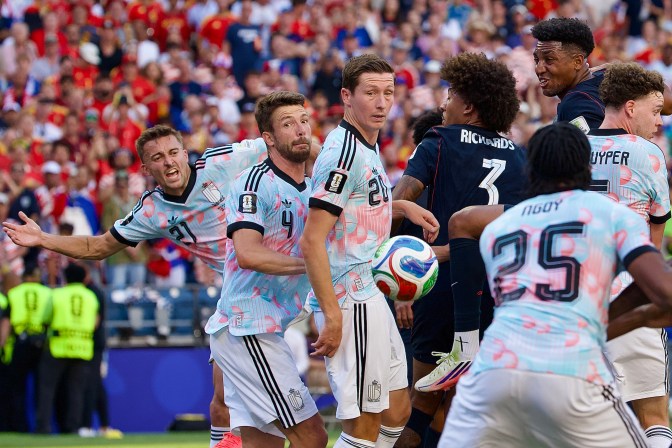
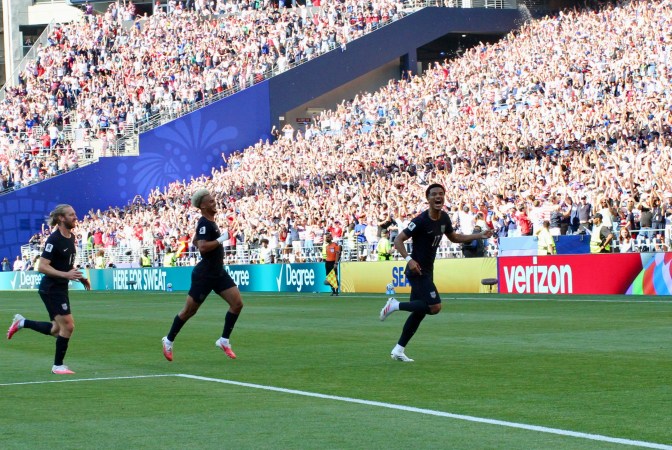
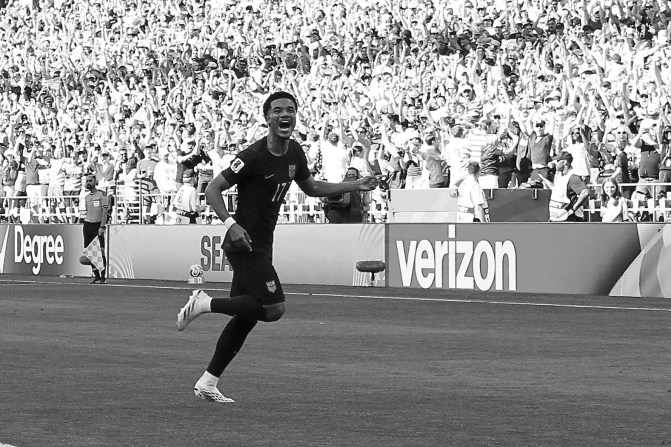
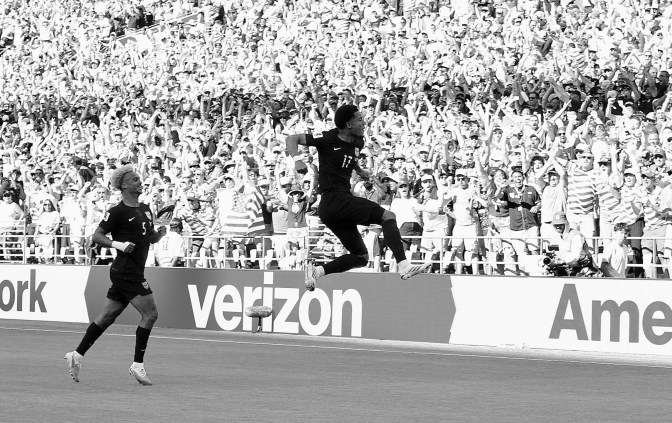
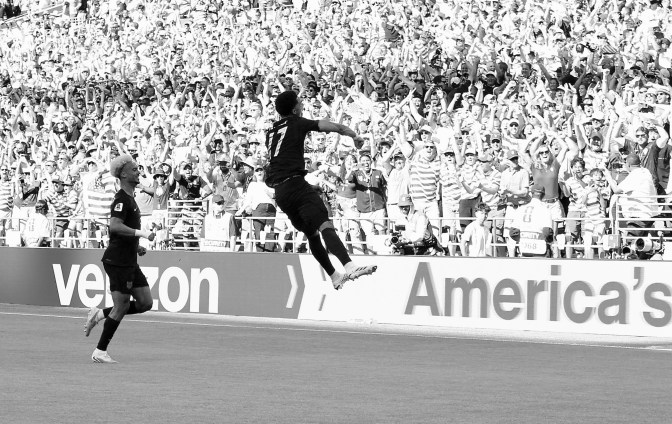
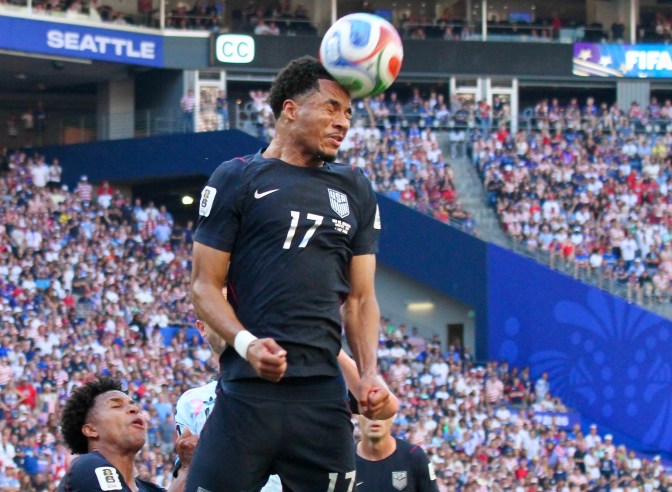
The American crowd erupted in full volume when Malik Tillman tied the score with a deflected free kick at the 31-minute mark that fooled Belgium’s famed keeper Thibaut Courtois.
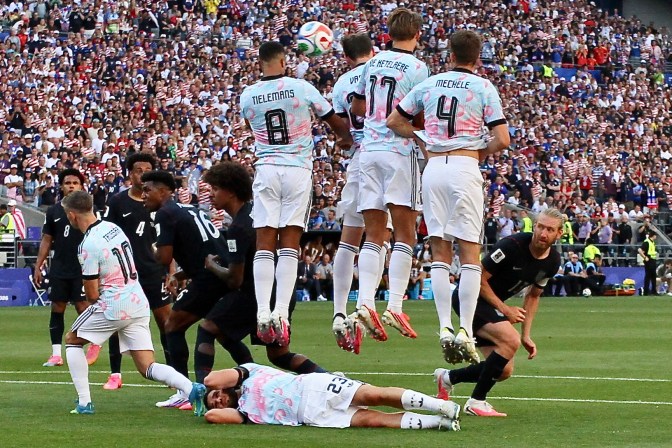
Tillman leapt from the shadows toward the fans standing in the blazing sun.


At half-time, many believed the USA could upset Belgium and reach the quarterfinal at Sofitel Stadium in Los Angeles against Spain, who had just outlasted Portugal 1-0 in Cristiano Ronaldo’s last World Cup match.
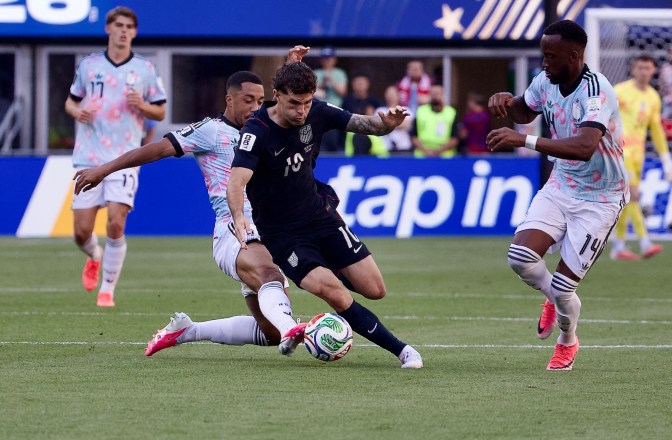
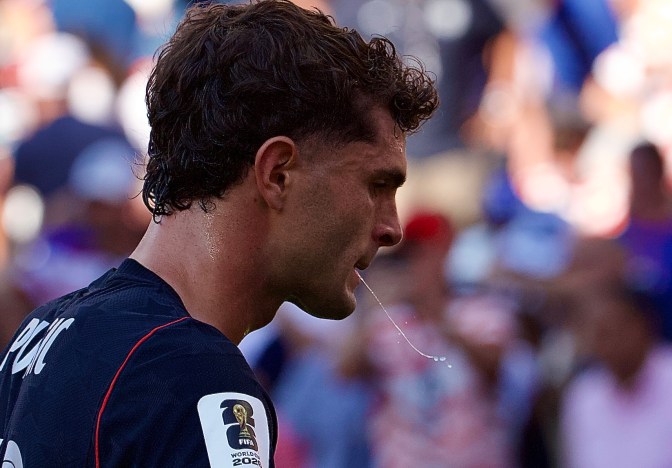
But USA gave up a goal a minute into the second half. US coach Mauricio Pochettino kicked a rack in front of the bench, sending four bottles flying. Moments later, US forward Christian Pulisic had to come off after his right foot hit the boot of Belgium captain Youri Tielemans.
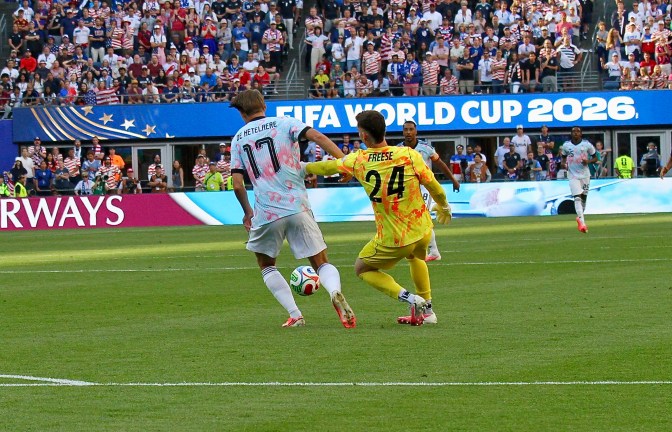
USA’s attempt to build momentum slipped away when goalkeeper Matt Freese came off his line and fumbled the ball away to Belgium’s Hans Vanaken, whose goal gave Belgium a 3-1 lead at the 57-minute mark.

Romelu Lukaku, built like a defensive end, added an insurance goal in “overtime” (or what Europeans call stoppage time or extra time).

Belgium didn’t even need to play two of its biggest stars, Jeremy Doku and Kevin De Bruyne.

Their giant keeper was rarely tested.

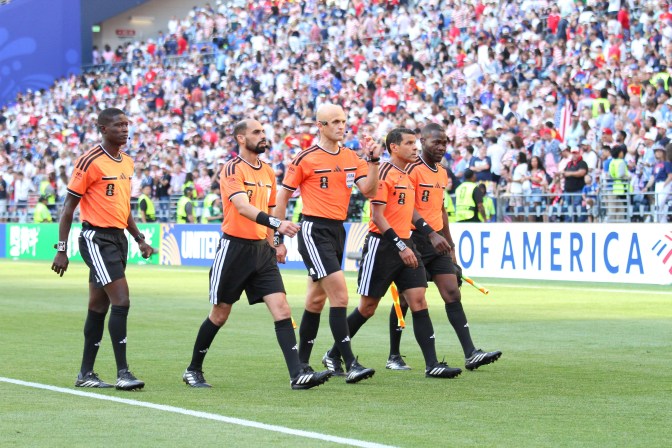
Some American fans sat dejected in the stands, while others serenaded officials with the popular American hit “referees suck!”
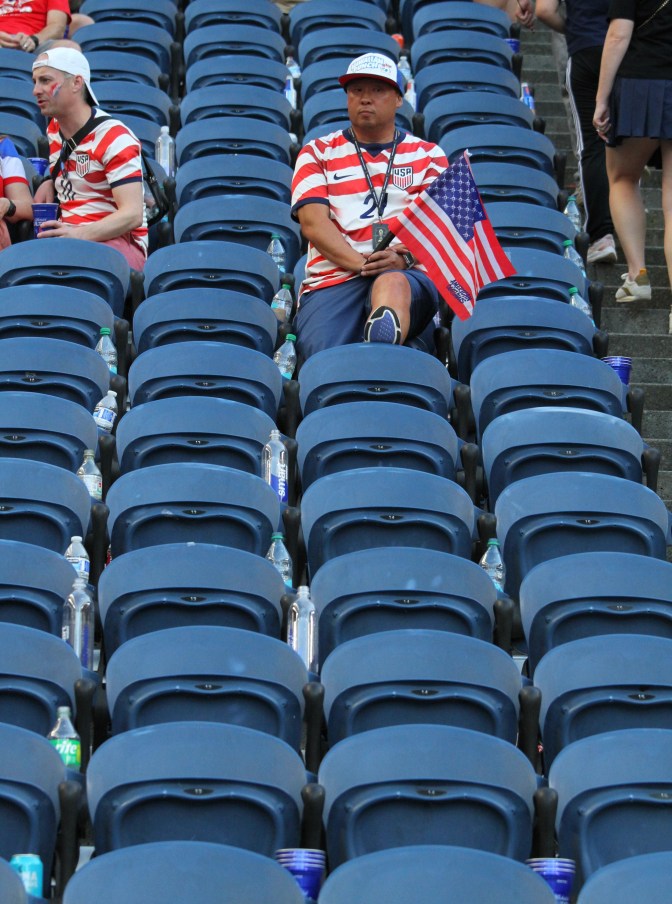
But many left Lumen Field believing that USA belongs among the world’s top 16 teams, and it is only going to get better.
words and images copyright Christopher Johnson Globalite Media all rights reserved


You must be logged in to post a comment.