Canada should have freely celebrated its first ever win at a World Cup after trouncing Qatar 6-0 in Vancouver on Thursday in one of the most one-sided games in recent World Cup history.
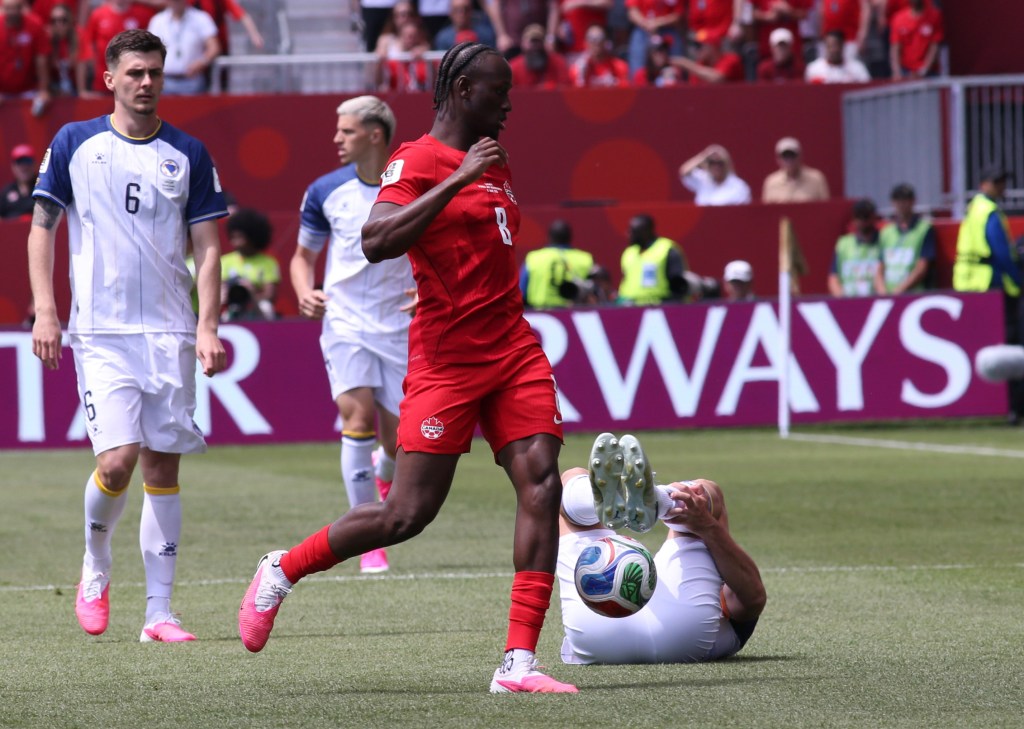
Instead, distraught players cried on the pitch, and fans expressed shock and outrage because a losing Qatari player didn’t fear the consequences of breaking an opponents leg during play.
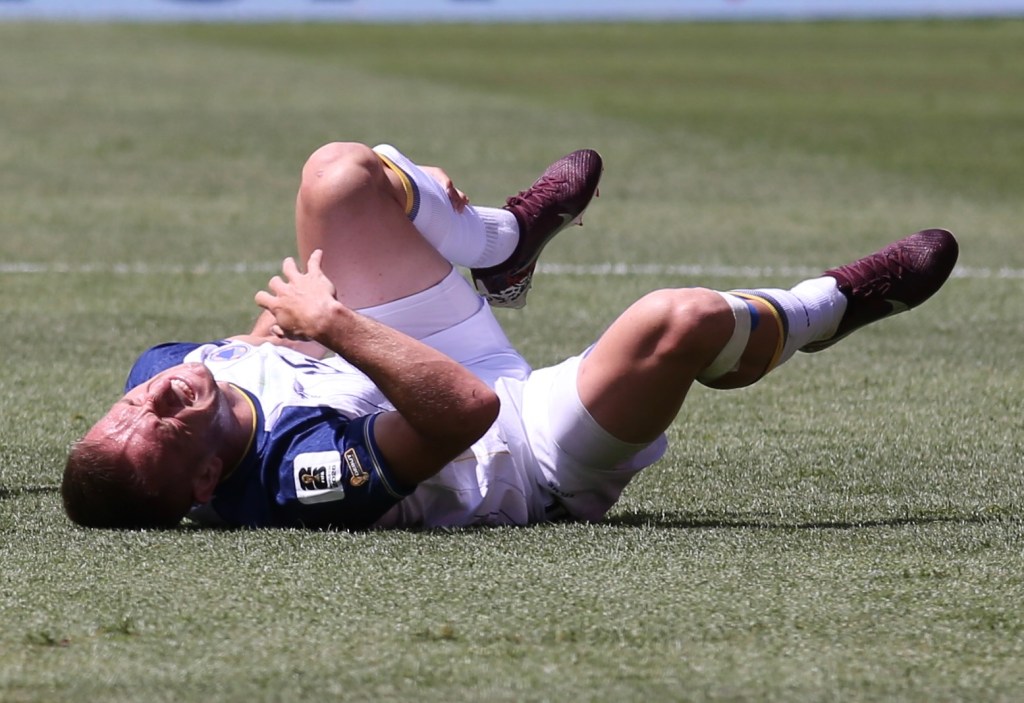
While Canadian midfielder Ismael Kone was in a Vancouver hospital awaiting surgery on a left leg that might never play pro soccer again, Qatari midfielder Assim Madibo reportedly walked into the Team Canada locker room to apologize.
While this might appear to be good sportsmanship, an apology after the fact isn’t enough. A red card for the tackle, whether accidental or not, also isn’t enough to deter such reckless behaviour. Many fans on social media are demanding a mandatory minimum one-year suspension or more for causing a player to undergo surgery.
Their point is that players must fear punishment for dangerous play, and that governing bodies must protect the safety of players above all else. In American NFL football, you can’t use your helmet as a weapon to cause a concussion or even paralysis. In hockey, you can’t use your stick as a spear to remove teeth or an eye. In basketball, you can’t undercut a guy soaring through the air, because the NBA and FIBA recognize that fans want to see spectacular dunks, not broken ankles and torn ACLs.
In soccer, however, any unsung player can cut down a superstar. In 2014, Colombian defender Juan Camilo Zuniga received no fine or suspension for kneeing Neymar in the back near the end of their quarterfinal, which caused the Brazilian superstar to miss Brazil’s 7-1 semi-final loss to Germany in Belo Horizonte. Doctors reportedly said that Zuniga almost paralyzed Neymar. While Zuniga later apologized, Neymar missed his chance to win the World Cup at home in Brazil.
In 1966, Portugal’s defender Joao Morais targeted Pele with vicious scissoring tackles. Pele suffered knee damage and vowed at that time to never play another World Cup.
In 1990, Cameroon, Germany and other teams targeted Maradona and Claudio Caniggia in one of the roughest — and ugliest — tournaments in World Cup history.
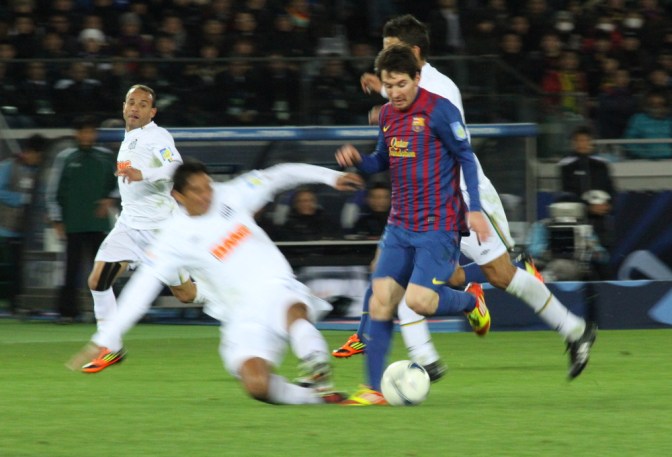
Lionel Messi has been targeted throughout his career.
FIFA has taken various steps to protect players. FIFA’s Disciplinary Committee has powers in the Laws of the Game to suspend players beyond the automatic two or three match suspensions. In 1994, FIFA suspended Italy’s Mauro Tassotti eight games for breaking the nose of Spain’s Luis Enrique with an elbow. In 2014, FIFA banished Uruguay’s Luis Suarez for four months for biting Italian defender Giorgio Chiellini during a World Cup match. FIFA referees also tried to set a tone for the 2026 World Cup by issuing three red cards in the opening game between South Africa and Mexico.
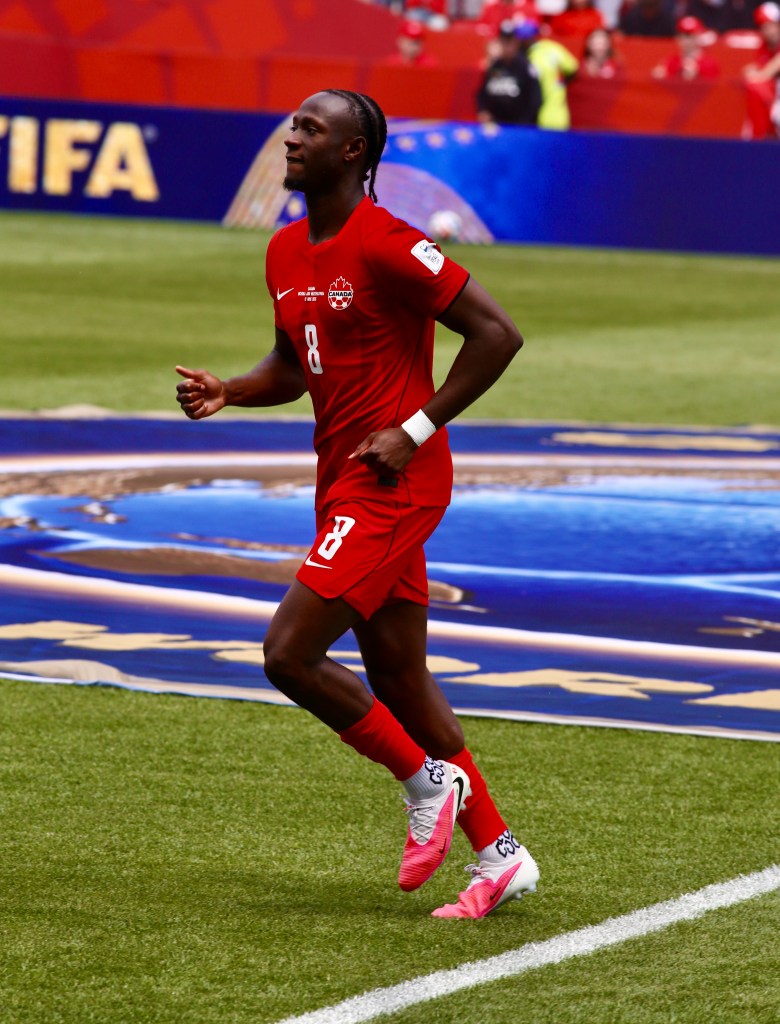
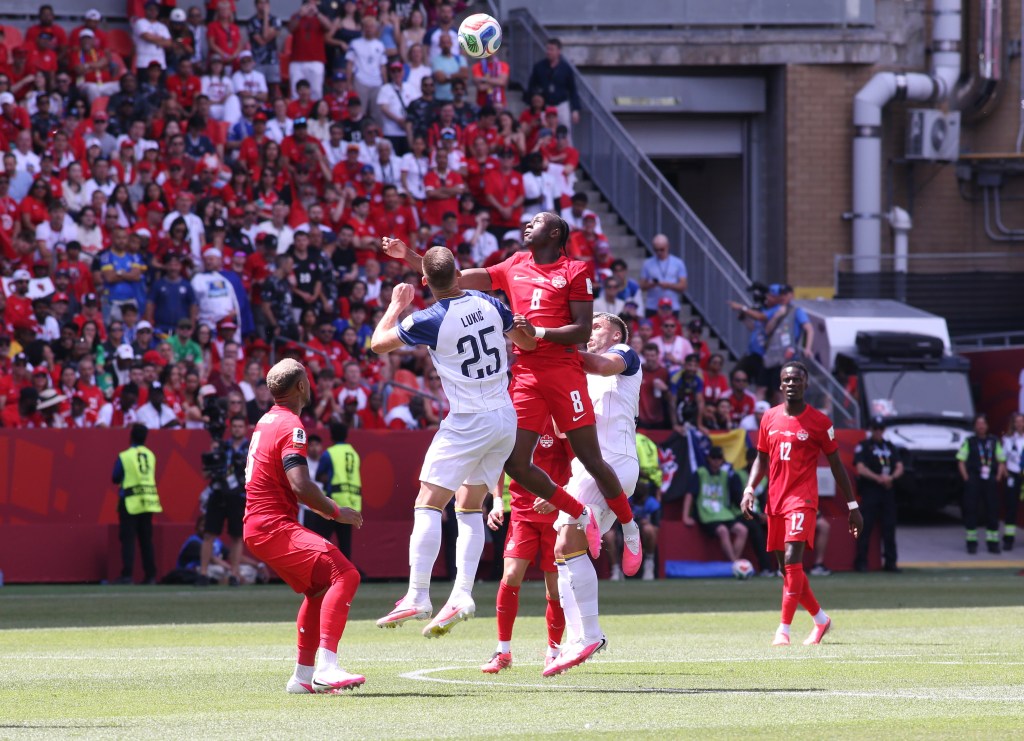
Fearing suspension, Qatar’s Madibo made a point of apologizing during Thursday’s game, which was attended by FIFA President Gianni Infantino, CONCACAF president Victor Montagliani, and Canada’s Prime Minister Mark Carney.
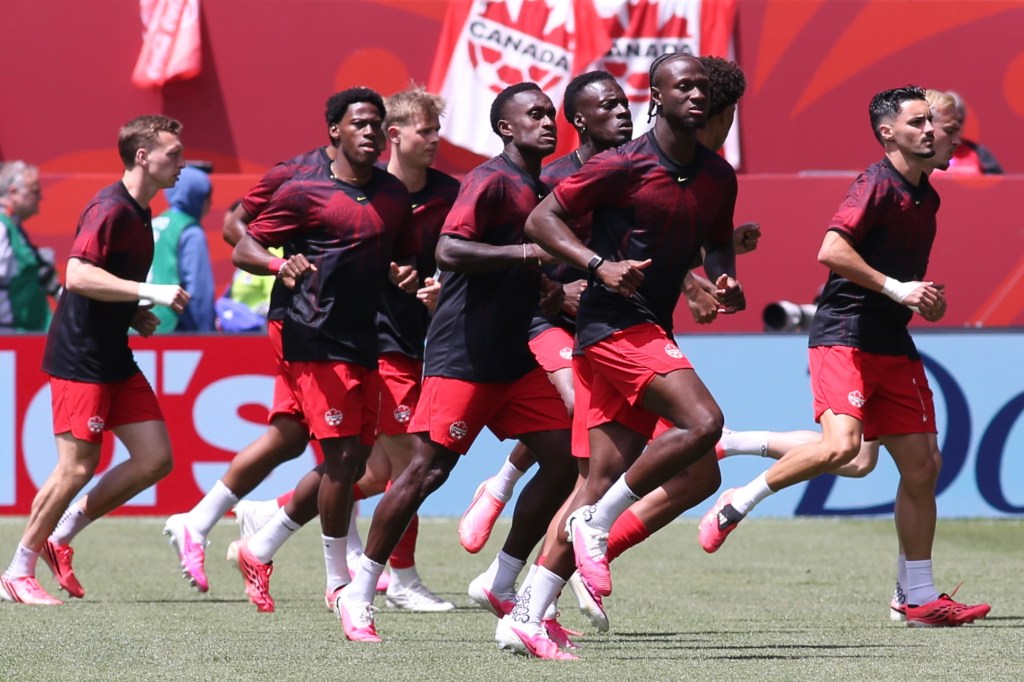
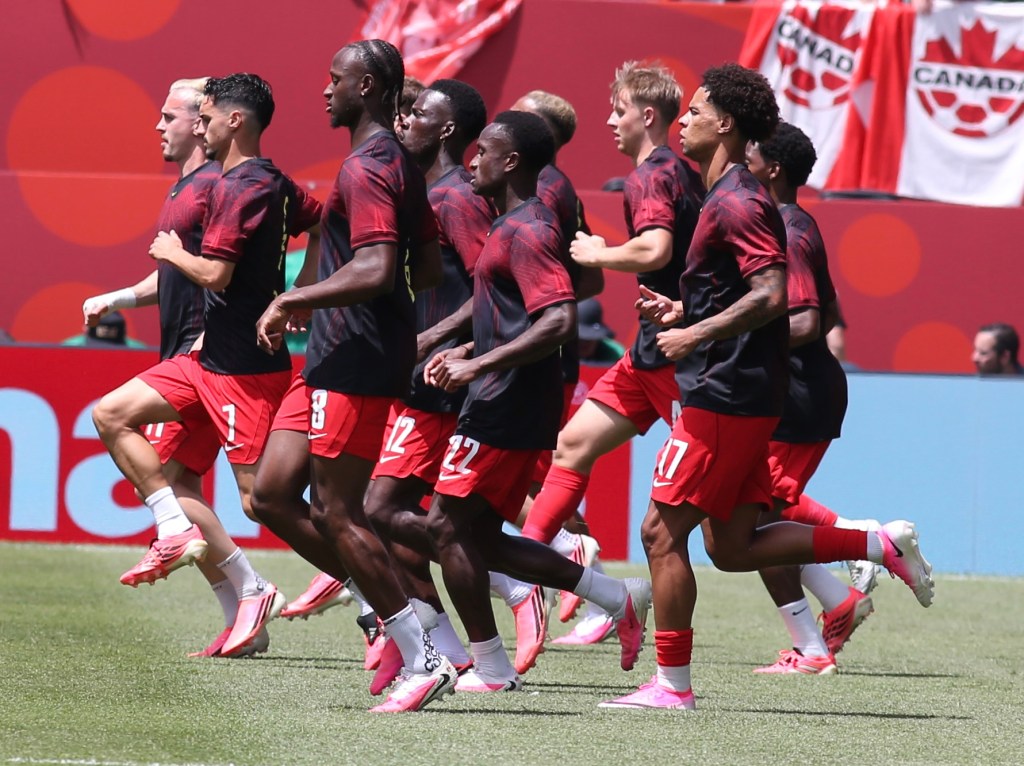
But this wasn’t enough to ameliorate irate Canadian fans, players and coaches, who confronted the Qatari team on the pitch after the game. Team Canada came together as a group and ran up the score on Qatar. Qatar was lucky it wasn’t a hockey game. Canadians can’ be nice and polite, until they aren’t.
None of this would have happened if Madibo and other players feared losing at least one year or longer of paying work in pro soccer. While some might argue that an automatic one-year suspension could be too harsh for an “accidental” tackle, others argue that it’s better to err on the side of caution in order to protect the health and safety of players.
A player who loses income and a year of pro soccer can live to play again. A guy with a broken leg might never play again. Ultimately, paying customers want to see athletes running around on the pitch, not laying flat on a stretcher.
Words and images copyright Christopher Johnson Globalite Media all rights reserved


You must be logged in to post a comment.